• Consultar

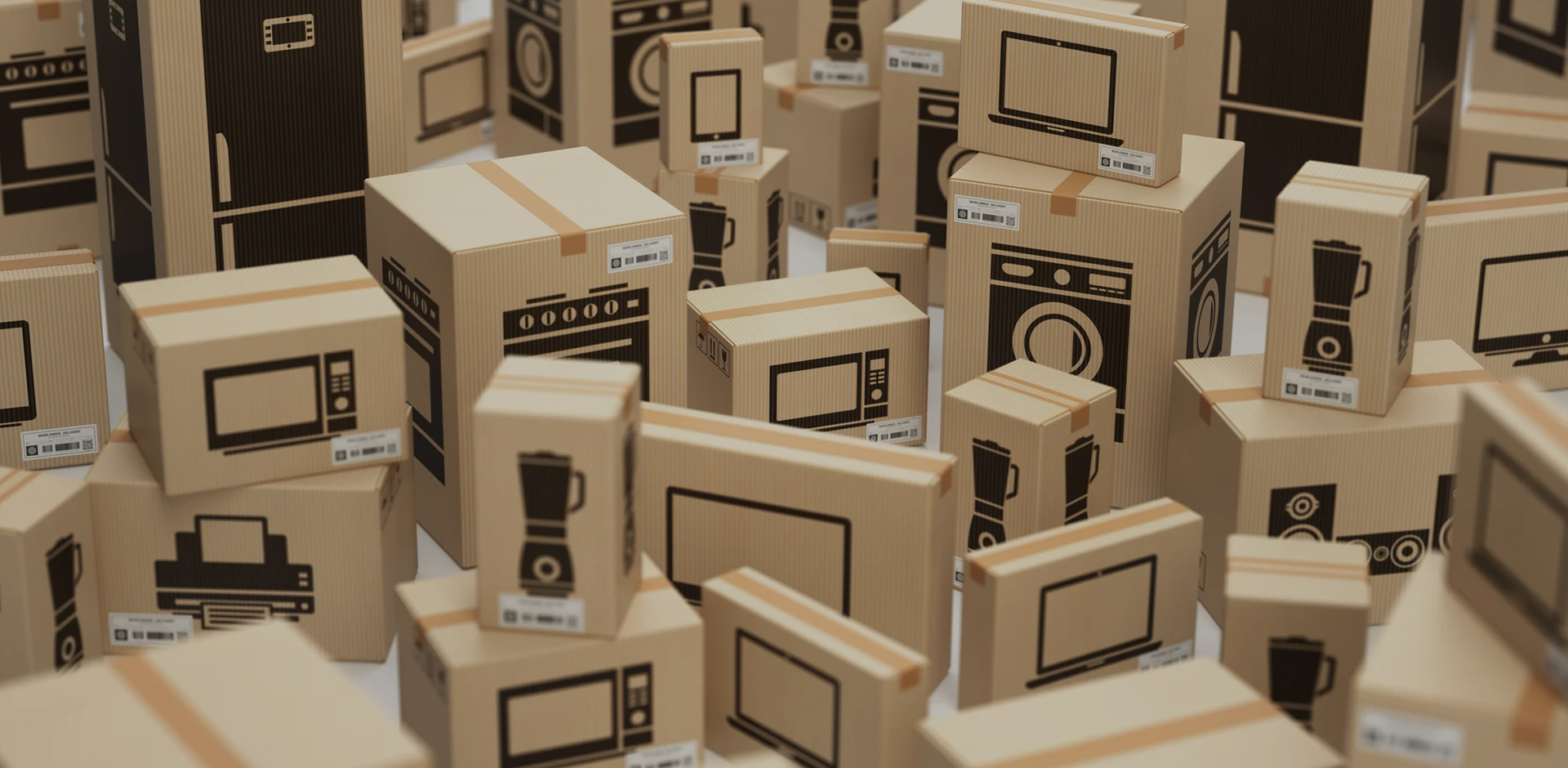
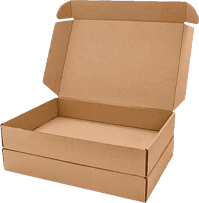
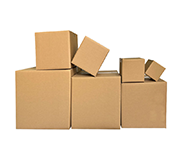
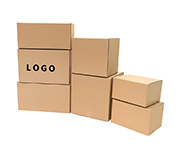
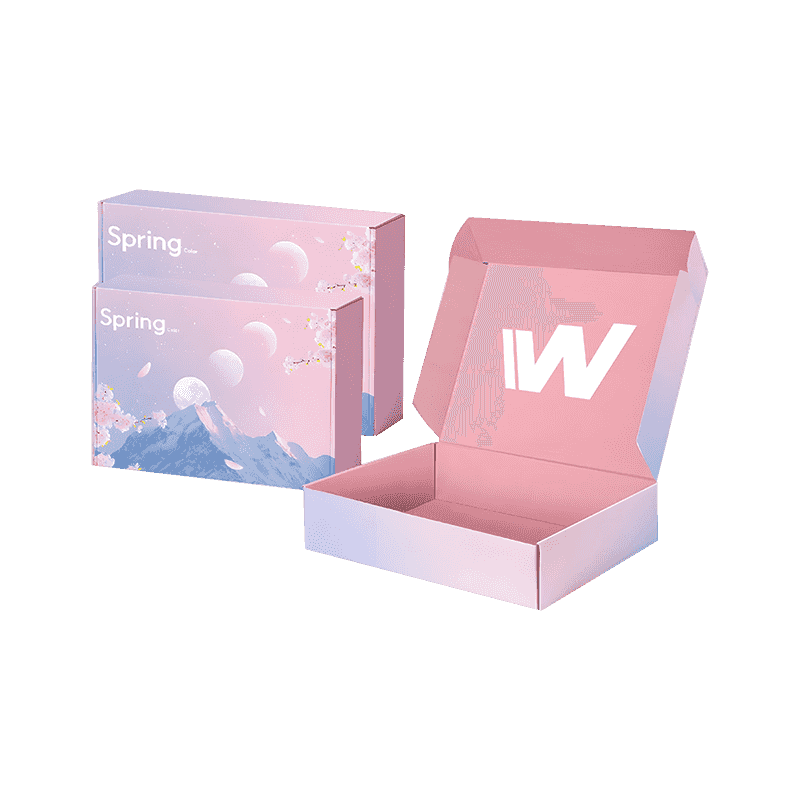
    La empresa integra I+D, fabricación, exportación y ventas nacionales. Se especializa principalmente en cajas de color, cajas de cartón ondulado, cartón corrugado, cajas industriales, cajas para envío postal de plataformas de comercio electrónico como Taobao, Tmall y otras, así como en diversas especificaciones de impresión personalizada y otros productos de cartón. Estamos a su disposición para cualquier consulta en cualquier momento.

    Leer más
  • Comunicar la oferta
    Para cualquier producto, nos comunicaremos con los clientes profesionalmente, escucharemos sus opiniones y ofreceremos sugerencias útiles para garantizar que se realicen productos de excelente calidad.
    Leer más
  • Servicio personalizado

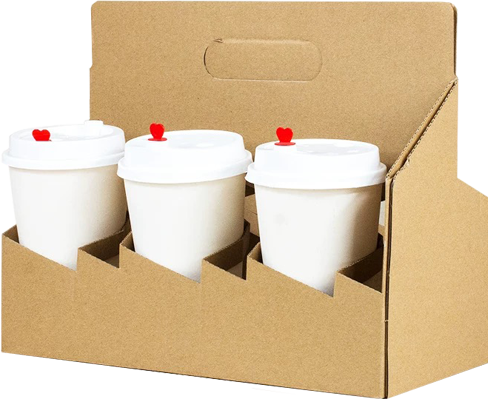
    El equipo de I + D puede proporcionar servicios personalizados para diferentes cajas de papel para satisfacer las diversas necesidades de los clientes.

    Leer más
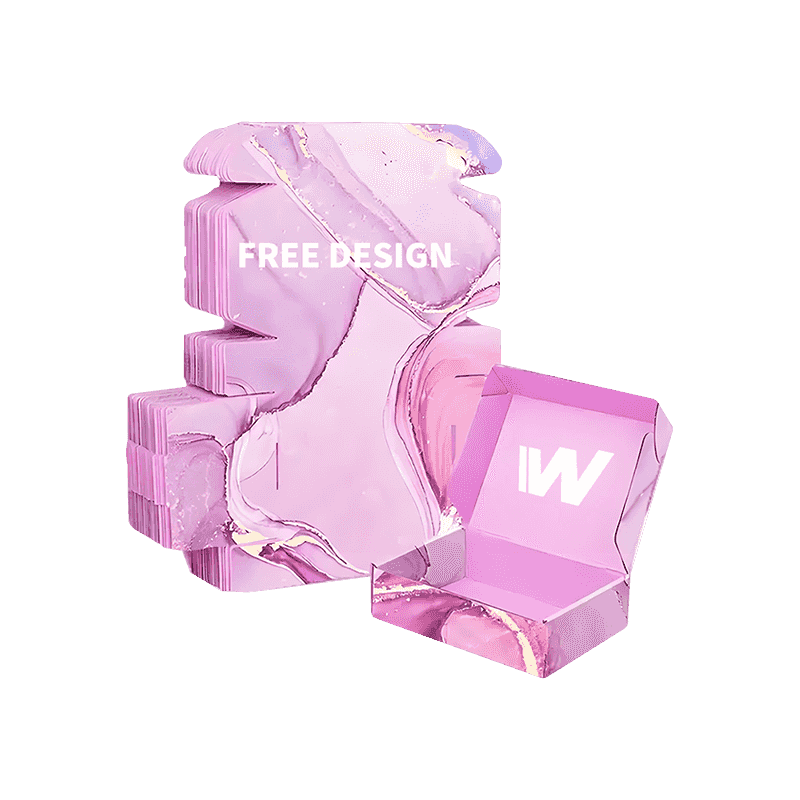
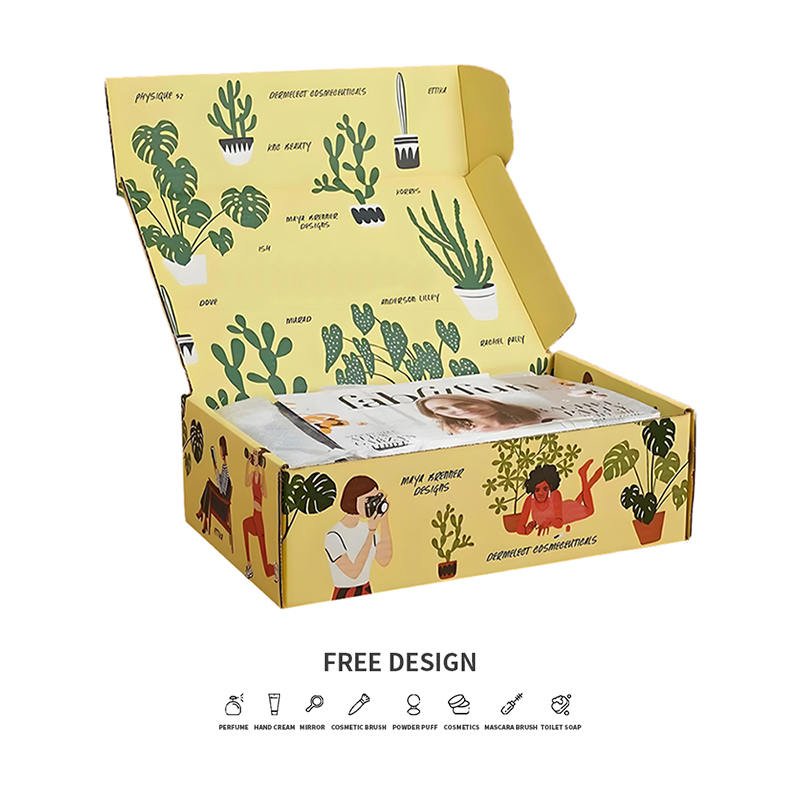
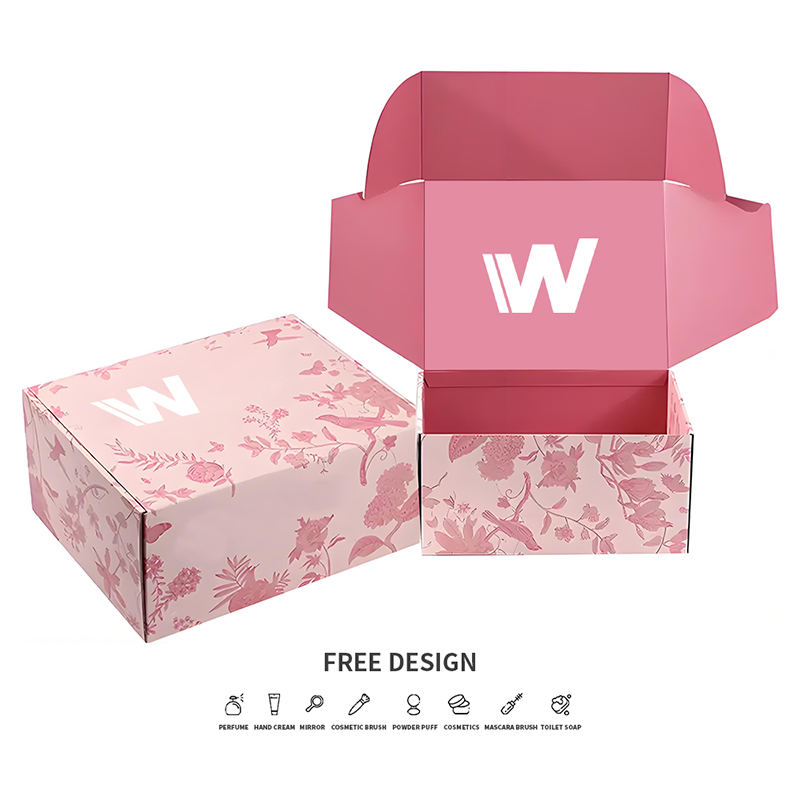
  • Diseño y tipografía

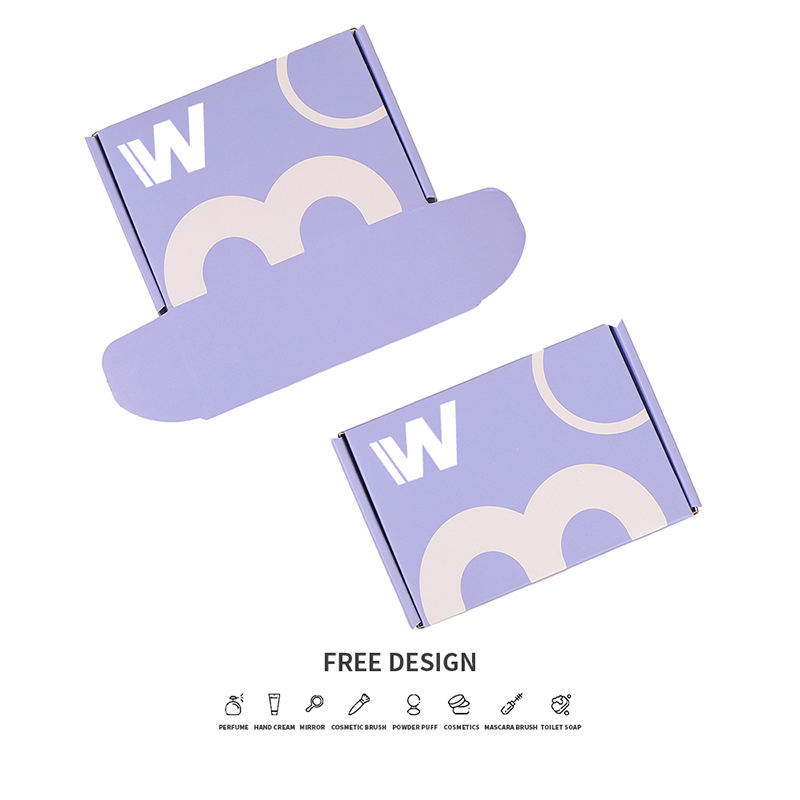
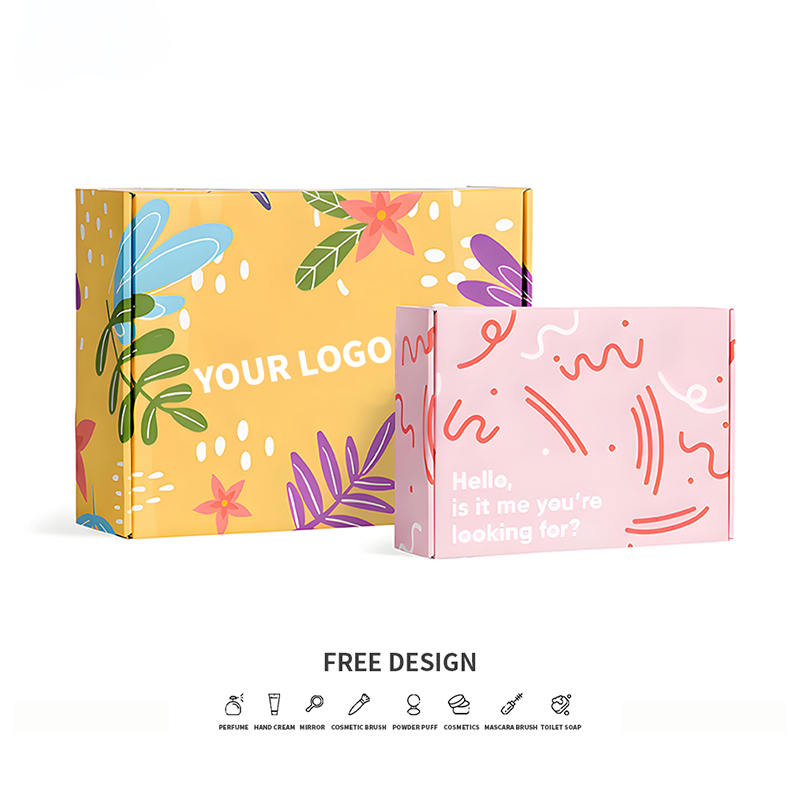
    Podemos diseñar y maquetar para los clientes de forma gratuita, para que los clientes puedan personalizar cajas de papel personalizadas.

    Leer más
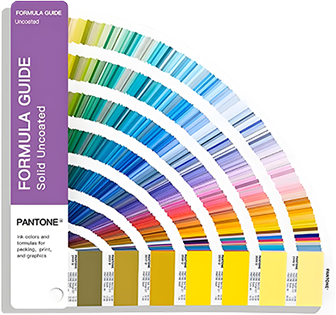
  • Máquina de proceso

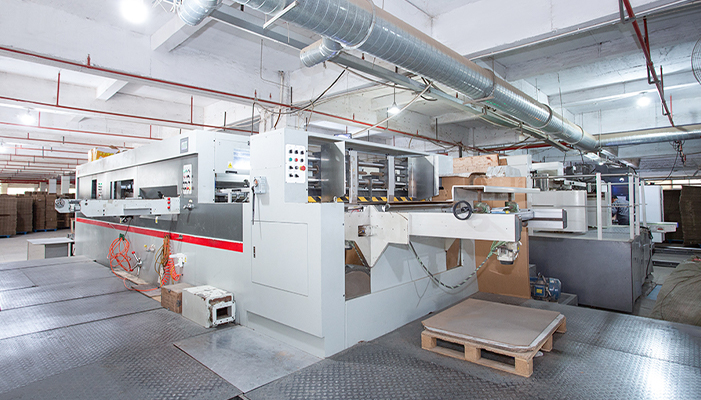
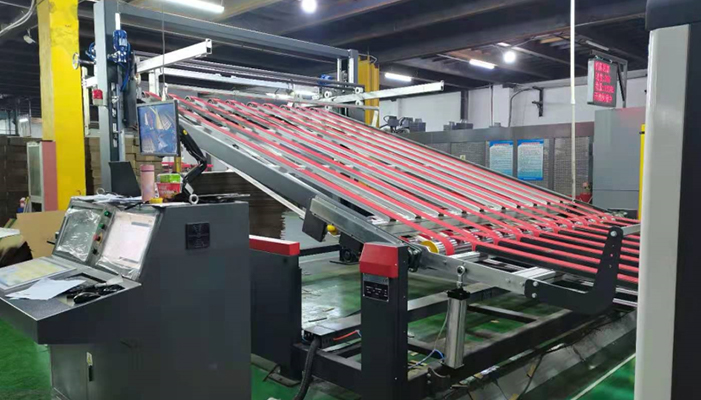
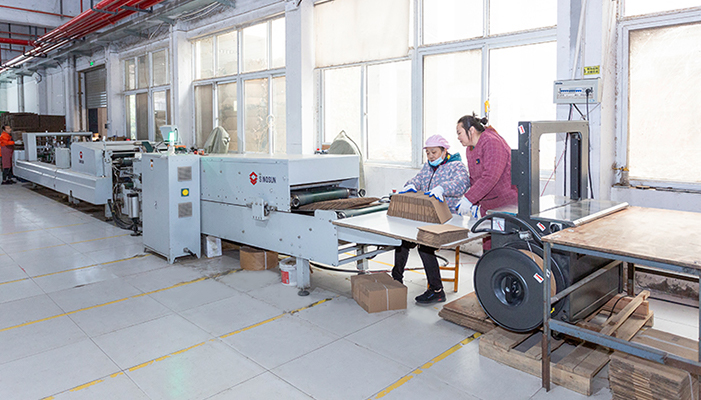
    Actualmente, la empresa cuenta con una línea de producción de cartón de alta velocidad y 2500 mm de ancho completamente automática, una línea de producción de cartón con enlace de 5 colores completamente automática, una máquina de impresión digital completamente automática, 8 máquinas de impresión de tres colores, 2 máquinas de impresión de cuatro colores completamente automáticas, 3 máquinas de troquelado de 1500 mm, 1 máquina de troquelado completamente automática de 1450 mm, entre otros equipos de producción.

    Leer más
  • Troquelado

    Tenemos 3 1500 máquinas de corte de matriz y 1 1450 máquina de inauguración totalmente automática, que puede cortar según el tamaño requerido por los clientes.

    Leer más
  • Canalización

    Una vez completada la producción, llevaremos a cabo el procesamiento final de la caja de productos y realizaremos una inspección de calidad en el producto para garantizar que la calidad pueda cumplir con los estándares.

    Leer más
  • Entregar bienes

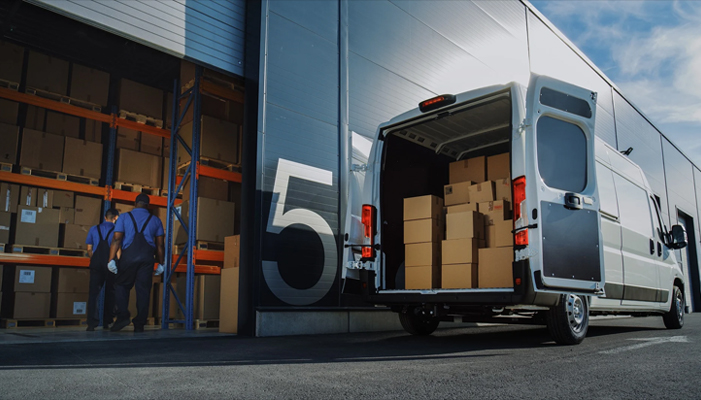
    Nuestras fábricas se encuentran en la ciudad de Jiaxing y Zhangshu, provincia de Jiangxi, que están relativamente cerca del puerto, lo que lo hace conveniente para la exportación y el transporte.

    Leer más
  • Confirmar la recepción de bienes

    Después de entregar los productos de manera segura, también le proporcionaremos el servicio postventa, por lo que puede estar seguro de contactarnos para realizar un pedido.

    Leer más
Lo que ofrecemos
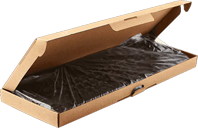
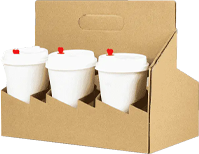
Los productos de la compañía incluyen papel corrugado, junta corrugada, cartones industriales, cajas postales de Taobao y otros productos de cartón.
Leer más
Lo que nos distingue
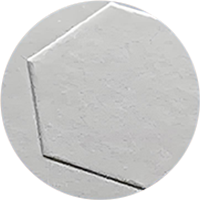
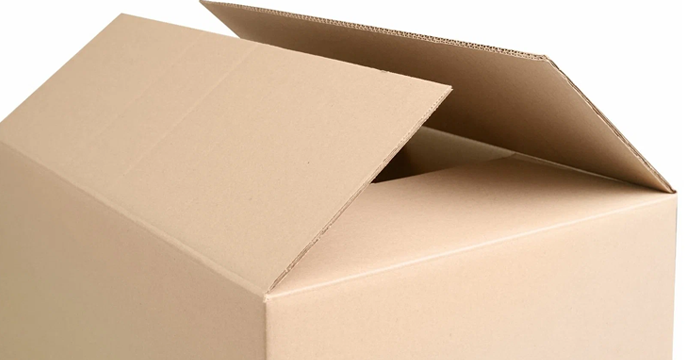
  • Ranura de corte en forma de U
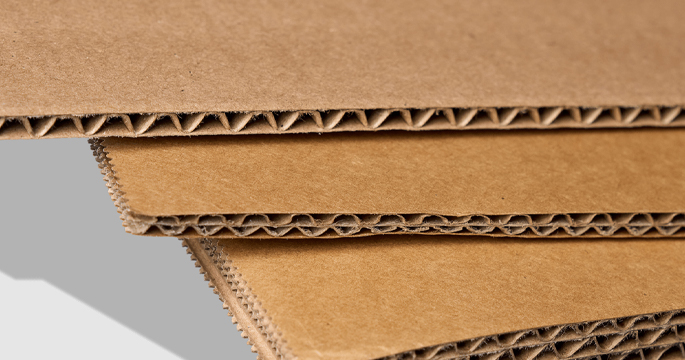
    El borde es claro y hermoso, y el cartón ondulado seleccionado tiene una fuerte resistencia a la compresión.
  • Fuerte unión de borde
    El interior del cartón está pegado, la apariencia es ordenada y el recorte de los artículos en la caja es ordenado sin dañarlos.
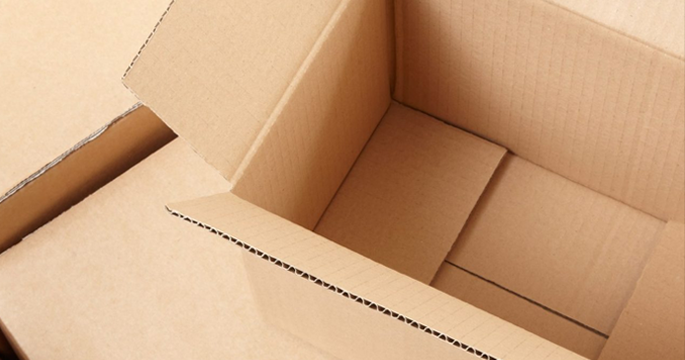
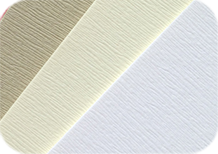
  • El interior es simple y ordenado
    Ordenado y bonito, con estructura reforzada, no es fácil de dañar las manos, confiable y seguro para el embalaje.
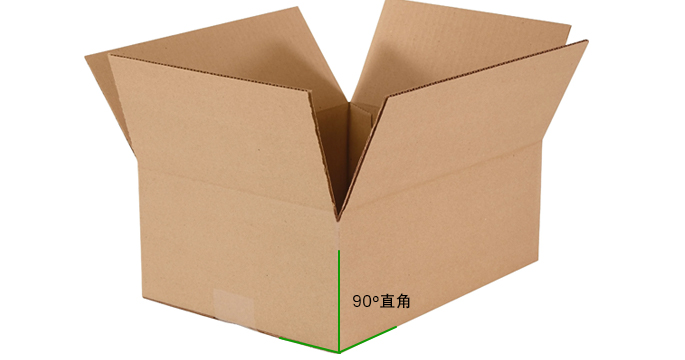
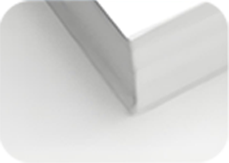
  • Ángulo recto estándar 90 °
    Proceso de producción estándar, la caja está sellada en un ángulo recto de 90 °, ¡lo cual es más resistente a la presión!
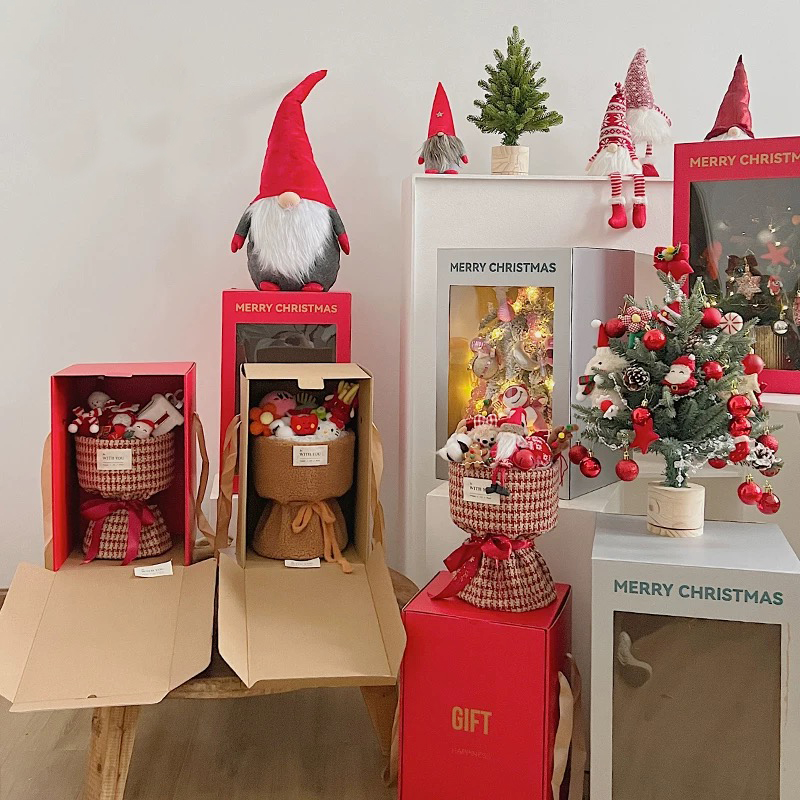
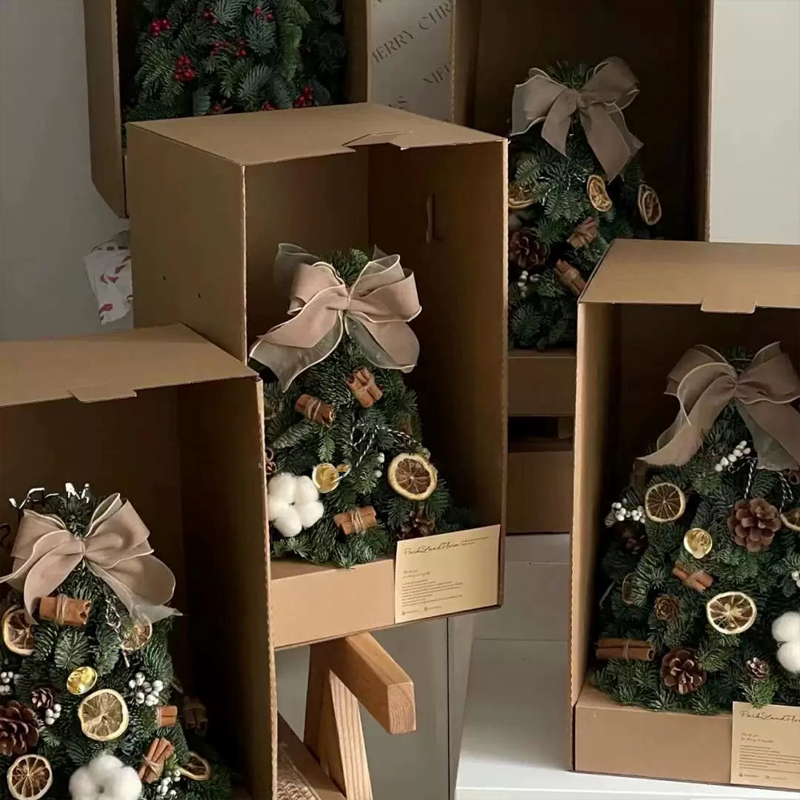
Explore nuestros productos destacados
Todos los productos
Zhejiang Wenchen Packaging Technology Co., Ltd.
La compañía fue fundada en 2004 y se ha centrado en los productos de empaque durante 20 años. Con el conocimiento profesional de envasado, el equipo de producción completo y el servicio al cliente humanizado, se compromete a crear un servicio único para los productos de embalaje. Wenchen Packaging ofrece servicios de empaque satisfactorios a millones de clientes con el concepto de pequeñas ganancias pero una facturación rápida. La compañía tiene un sistema de gestión de calidad completo y científico. La integridad, la fuerza y ​​la calidad del producto de Wenwei Packaging son reconocidos por la industria.
Leer más
¿No ha encontrado los productos que quiere?
Estamos comprometidos a proporcionar a nuestros clientes productos y servicios avanzados que cumplirán su negocio, pequeño y grande.
Contáctenos
Zhejiang Wenchen Packaging Technology Co., Ltd.
  • The Physics Behind Corrugated Cushioning for Electronics Packaging
    Why Electronics Get Damaged Before They Ever Reach a Customer A laptop that survives eighteen months on a desk can crack a hinge in the back of a delivery van within seconds. The damage rarely comes from a single dramatic drop. It comes from three forces working quietly together: shock, vibration, and compression. Shock is the sudden deceleration when a package hits the ground, a conveyor belt, or the floor of a truck. Vibration is the low-grade, repetitive motion that happens for hours during transit, which can loosen solder joints or shift internal components millimeter by millimeter until something fails. Compression is the static load from boxes stacked on top of each other in a warehouse or container, sustained for days rather than seconds. Most packaging failures are blamed on the drop that finally broke something, but that drop is often just the last straw after a shipment already weakened by vibration and stack pressure. Designing for electronics means designing against all three forces at once, not just the one that leaves a visible dent. The Physics of Fluting: How a Sheet of Paper Becomes a Shock Absorber Corrugated board looks simple: two flat liners with a wavy layer of fluting glued between them. That wave is the entire engineering story. Each arch in the fluting acts like a tiny structural column, distributing weight across its curve instead of letting it collapse straight down. When an impact hits the box, those arches flex and partially collapse, converting the sudden kinetic energy of the drop into slow, controlled deformation. This is what packaging engineers plot on a cushioning curve, a graph showing how much deceleration force (measured in G) reaches the product at a given static load and cushion thickness. The goal is never zero deformation. A box that doesn't flex at all transmits the full shock straight into the product it's supposed to protect. This is also why flute height and density matter more than raw board thickness. A single-wall board with the right flute profile can outperform a thicker but poorly matched structure, because the arch geometry, not the millimeters of cardboard, is what absorbs the energy. Matching Flute Type to Fragility: B-Flute, C-Flute, and Double Wall Not every electronic product needs the same arch geometry. Flute type determines the balance between cushioning, crush resistance, and print surface quality, and getting it wrong usually shows up as either overpacking or under-protection. Flute selection by electronics category and typical failure risk Flute Type Arch Density Best Suited For B-Flute High (thin, tightly packed arches) Small devices, accessories, retail-facing boxes needing sharp print detail C-Flute Medium Laptops, routers, mid-weight peripherals needing balanced cushioning and stacking strength Double Wall (BC/EB) Layered, high load-bearing TVs, monitors, and large panels facing long transit and heavy stacking A monitor and a wireless mouse experience the same truck ride, but they don't experience it the same way. A monitor's greatest risk is a cracked panel from compression or a corner impact, which points toward double-wall board. Smaller, denser items are more sensitive to surface scuffing and fine vibration, which is where B-flute's tighter arch spacing does more work. For laptops specifically, board built as purpose-designed laptop packaging already accounts for hinge stress points and screen-facing impact zones, which generic boxing does not. Large-format screens carry a different risk profile again, one reason TV and flat-panel packaging is engineered around edge and corner protection rather than flat-surface cushioning alone. For a deeper technical comparison across flute profiles, this breakdown of B-flute properties and this full flute selection guide cover the specs in more detail. Designing the Cushioning System, Not Just the Box A box is the outer shell. The cushioning system is everything inside it that keeps the product from ever touching that shell directly. This distinction matters because most damage claims trace back to a product that shifted inside a technically strong box. Corner pads absorb the impact points where drops concentrate the most force. Die-cut partitions keep multiple components, like a monitor and its stand, from colliding with each other during transit. Suspension-style inserts hold a product away from every interior wall, so the corrugated structure has room to flex before anything reaches the item itself. This is standard practice for structured accessory kits, where PC accessory packaging often needs to hold several small, differently shaped parts securely in one carton. None of this works if it's added as an afterthought. The internal layout has to be planned alongside the box structure itself, because a strong outer wall paired with loose internal packing still lets the product take the full force of every drop. Proving the Design Works: What ISTA Testing Actually Measures Cushioning curves and flute selection are calculations on paper until they're tested against real transit conditions. This is where standardized packaging test procedures come in, simulating the drops, vibration, and handling stress a shipment actually experiences. A typical protocol combines a drop sequence from multiple orientations, random vibration to simulate hours in transit, and sometimes atmospheric conditioning to account for humidity or temperature swings. A package that passes isn't one that shows no damage at all. It's one where the product inside survives functionally intact after the packaging has absorbed and dissipated the recorded forces. Skipping this step means relying on assumption. Two boxes can look identical and use the same board grade, yet perform very differently once fill weight, flute orientation, or insert placement changes. Testing is what turns a design from "should work" into a documented, repeatable result. When Corrugated Alone Isn't Enough Corrugated structure handles shock, vibration, and compression well, but it isn't a complete answer for every risk electronics face in transit. Static discharge doesn't care how strong the arches are, and it can damage circuit boards without leaving a single visible mark on the box. This is why higher-value or static-sensitive components are often packaged as a hybrid system: an anti-static liner or bag against the component itself, localized foam at concentrated impact points, and corrugated structure handling the overall shock absorption and compression load. Each material is doing the job it's actually good at, rather than one material trying to do everything. Getting this combination right depends on understanding what a specific product is most likely to fail from, whether that's a cracked display, a loosened connector, or static damage to a bare board. That's the starting point for packaging built specifically around smart device categories, where the structure is matched to the failure mode rather than applied as a generic template. .article-section { margin-bottom: 40px; } .article-section h2 { font-size: 22px; font-weight: bold; text-align: left; margin-bottom: 12px; } .article-section h3 { font-size: 16px; font-weight: bold; text-align: left; margin-bottom: 12px; } .article-section p { font-size: 16px; margin-bottom: 12px; } .article-section ul, .article-section ol { margin-bottom: 12px; } .article-section ul { list-style-type: disc; list-style-position: inside; } .article-section ol { list-style-type: decimal; } .article-section li { font-size: 16px; margin-bottom: 5px; } .article-table { display: table; text-align: center; border-collapse: collapse; width: 100%; font-size: 16px; margin-bottom: 15px; } .article-table thead { display: table-header-group; } .article-table tbody { display: table-row-group; } .article-table tr { display: table-row; } .article-table th { display: table-cell; font-weight: bold; border: 1px solid #cccccc; padding: 8px; } .article-table td { display: table-cell; border: 1px solid #cccccc; padding: 8px; } .article-table caption { caption-side: bottom; font-size: 16px; margin-bottom: 12px; font-style: italic; color: #808080; }
    Jul 10,2026
  • Cajas de cartón corrugado para envasado de alimentos: una guía práctica para el comprador
    Por qué el cartón corrugado funciona para el envasado de alimentos Una caja de naranjas y una pila de cajas de pizza se mueven a través de cadenas de suministro completamente diferentes, pero ambas suelen terminar empaquetadas en el mismo material base. El cartón corrugado se ganó esa posición porque su capa intermedia estriada distribuye el peso de manera uniforme, lo que permite que una caja liviana transporte productos agrícolas, productos horneados o artículos enlatados sin colapsar bajo la presión del apilamiento. Esa ventaja estructural es más importante en la logística de alimentos que en la mayoría de las otras categorías, ya que los envases de alimentos se manipulan repetidamente (se cargan en paletas, se mueven a través de refrigeradores, se apilan en estantes) antes de que lleguen al cliente. Proveedores que ejecutan un Gama completa de cajas de embalaje de alimentos corrugadas. Por lo general, construyen líneas de productos separadas en torno a frutas y hortalizas, panadería, bebidas y comida para llevar, porque cada una impone diferentes exigencias físicas al tablero. Resistencia, ventilación y control de la humedad más allá de la apariencia Los gráficos impresos llaman la atención, pero la ingeniería debajo de la obra de arte es lo que realmente mantiene los alimentos intactos. Los productos frescos necesitan flujo de aire para retardar la maduración y evitar la acumulación de condensación, razón por la cual los troqueles ventilados aparecen con tanta frecuencia en cajas de frutas y verduras en lugar de, por ejemplo, en una caja de bebidas que necesita máxima resistencia al aplastamiento. La humedad es la otra variable que separa las cajas de alimentos de las cajas de envío generales. Sin algún tipo de cera, polietileno o revestimiento de barrera a base de agua, el cartón corrugado sin tratar absorbe la grasa y la humedad rápidamente, lo que debilita las estrías y puede comprometer la caja en medio del tránsito. esto guía para elegir resistencia, ventilación e impresión para cajas de productos agrícolas desglosa cómo interactúan estos factores específicamente para los productos frescos. Combinación del diseño de la caja con la categoría de alimentos Una vez establecidas las necesidades de resistencia y humedad, el estilo de la caja en sí debe seguir la forma en que se maneja una categoría de alimentos específica desde la línea de empaque hasta el punto de venta. Cajas de cartón corrugado diseñadas para brindar transpirabilidad Confíe en paneles ventilados y dimensiones fáciles de apilar diseñadas para cámaras frigoríficas y cajas de exhibición para minoristas. Cajas de embalaje de pizza corrugadas. Necesita una base plana y rígida que resista la flacidez causada por el calor y la grasa y al mismo tiempo sea lo suficientemente liviana para que los repartidores puedan apilar varias a la vez. Hay una sorprendente cantidad de ciencia material detrás ¿Por qué las cajas de pizza están hechas de cartón corrugado? en lugar de cartón normal. Cajas de embalaje de bebidas corrugadas. se basan primero en la resistencia del apilamiento, ya que las bebidas embotelladas y enlatadas agregan un peso significativo por pie cúbico en comparación con la mayoría de las otras categorías de alimentos. Cajas de cartón corrugado para embalaje de leche diseñadas para transporte refrigerado Por lo general, se combina un revestimiento resistente a la humedad con un ajuste interno más ajustado, ya que los productos lácteos son sensibles a la temperatura y propensos a sufrir daños por condensación en la propia placa. Ninguno de estos estilos requiere una línea de producción completamente diferente; la mayoría de las diferencias se reducen al grado de la flauta, el recubrimiento y el patrón de troquelado en lugar de una estructura de caja fundamentalmente diferente. Materiales aptos para alimentos y conceptos básicos de cumplimiento de la FDA Cualquier material que entre en contacto directo con los alimentos o que se encuentre lo suficientemente cerca como para transferir sustancias a través de la migración está sujeto a la regulación de contacto con alimentos en los Estados Unidos. Según el Guía de la FDA sobre sustancias que entran en contacto con los alimentos , esto incluye componentes de empaque, adhesivos, colorantes y recubrimientos, no solo los alimentos en sí. En la práctica, esto significa que los recubrimientos utilizados para fabricar cartón corrugado resistente a la grasa o la humedad deben obtenerse de sustancias reconocidas por la FDA en lugar de selladores industriales genéricos. Las marcas que obtienen envases para alimentos a gran escala deben confirmar con su proveedor qué sistemas de recubrimiento y tinta específicos se utilizan, ya que las afirmaciones de "calidad alimentaria" varían ampliamente en cuanto al rigor con el que se documentan. Impresión personalizada para atraer el atractivo de las estanterías y el reconocimiento de la marca Los envases de alimentos a menudo compiten por la atención en un pasillo lleno de gente o en la miniatura de una aplicación de entrega a domicilio, lo que ejerce más presión sobre la superficie impresa que, por ejemplo, una caja de cartón para envío industrial. La impresión digital ha hecho que las marcas a todo color en cartón corrugado sean prácticas incluso para tiradas más cortas, permitiendo a las marcas de alimentos más pequeñas competir visualmente con los jugadores más grandes sin pagar por las planchas de impresión por adelantado. Más allá del color y la ubicación del logotipo, opciones estructurales como una ventana troquelada para productos horneados o un acabado mate para envases de bebidas premium pueden cambiar la forma en que se percibe un producto incluso antes de que el cliente lo abra. Estas decisiones generalmente se toman junto con las opciones de flauta y recubrimiento, ya que algunos acabados interactúan con el rendimiento de un recubrimiento. Consideraciones sobre la cadena de frío y los productos perecederos Los alimentos que se distribuyen refrigerados o congelados ejercen una presión adicional sobre los envases corrugados que los productos a temperatura ambiente nunca enfrentan. Los ciclos repetidos de temperatura entre las áreas de almacenamiento en frío y de manipulación ambiental provocan condensación, y los revestimientos kraft estándar absorben esa humedad mucho más rápido que un tablero tratado o impregnado de cera. Para las marcas que envían productos lácteos, congelados u otros productos sensibles a la temperatura, vale la pena especificar el tratamiento del cartón y el grado de la flauta juntos en lugar de tratarlos como decisiones separadas. Esta visión general de Consideraciones sobre el diseño y el cumplimiento del embalaje de la cadena de frío. explica cómo la elección de materiales y el diseño estructural funcionan juntos para envíos sensibles a la temperatura. Adquisición de envases de alimentos a escala Un camino confiable desde el concepto hasta la producción generalmente comienza con la confirmación del peso del producto, la exposición a la humedad y las condiciones de manipulación, y luego se reduce el grado de la flauta y el recubrimiento antes de finalizar el estilo de la caja. Saltarse una muestra física es una de las razones más comunes por las que un pedido de embalaje de alimentos a granel necesita una costosa reelaboración después del hecho. Los fabricantes que controlan su propia producción de tableros en lugar de comprarlos prefabricados generalmente ofrecen más flexibilidad en las especificaciones de recubrimiento y las cantidades mínimas de pedido, lo cual es importante para las marcas de alimentos que prueban un nuevo SKU antes de comprometerse con una producción completa. .article-section { margin-bottom: 40px; } .article-section h2 { font-size: 22px; font-weight: bold; text-align: left; margin-bottom: 12px; } .article-section h3 { font-size: 16px; font-weight: bold; text-align: left; margin-bottom: 12px; } .article-section p { font-size: 16px; margin-bottom: 12px; } .article-section ul, .article-section ol { margin-bottom: 12px; } .article-section ul { list-style-type: disc; list-style-position: inside; } .article-section ol { list-style-type: decimal; } .article-section li { font-size: 16px; margin-bottom: 5px; } .article-table { display: table; text-align: center; border-collapse: collapse; width: 100%; font-size: 16px; margin-bottom: 15px; } .article-table thead { display: table-header-group; } .article-table tbody { display: table-row-group; } .article-table tr { display: table-row; } .article-table th { display: table-cell; font-weight: bold; border: 1px solid #cccccc; padding: 8px; } .article-table td { display: table-cell; border: 1px solid #cccccc; padding: 8px; } .article-table caption { caption-side: bottom; font-size: 16px; margin-bottom: 12px; font-style: italic; color: #808080; }
    Jun 24,2026
  • Corrugated Cardboard Household Product Packaging Boxes: Buyer's Guide
    What Falls Under "Household Product Packaging" A queen-size comforter, a cast-iron skillet, and a bottle of dish soap have almost nothing in common — except that all three typically leave a warehouse inside the same general category of box. Household product packaging covers an unusually wide range of items: furniture, bedding, kitchenware, toiletries, cleaning supplies, storage bins, and the moving cartons people use to pack an entire room at once. That range is exactly why a single box design rarely works across the category. A sofa cushion and a shampoo bottle put completely different stress on a carton — one needs bulk support over a large surface, the other needs a snug fit that prevents shifting. Suppliers that work across this space, such as the full lineup of corrugated boxes built for household goods, generally organize their offering by sub-category rather than by a single generic "household box." Why Corrugated Cardboard Fits Household Goods Best Corrugated cardboard is built from three layers: two flat sheets of kraft linerboard sandwiching a fluted, wave-shaped medium. That fluted layer is what gives the material its strength — it distributes pressure across the surface instead of letting it concentrate at a single point, which is why a corrugated box can carry far more weight than its thin walls would suggest. For household goods specifically, this matters in two ways. First, the strength-to-weight ratio keeps shipping costs down even when boxes are packed with dense items like cookware or small appliances. Second, the material is overwhelmingly recyclable: corrugated containers had a recycling rate well above 95 percent in the most recent EPA data, making it one of the few packaging materials that genuinely closes the loop at scale. Matching Flute Grade and Wall Strength to the Product Not every household item needs the same board. A flat-pack dresser panel and a travel-size toiletry kit sit at opposite ends of the strength spectrum, and choosing the wrong flute grade either wastes money on excess material or risks damage in transit. As a starting point, lighter and smaller items — toiletries, small kitchen accessories, folded linens — generally do well on single-wall B or C flute, which balances crush resistance with a smooth surface for printing. Bulkier or heavier goods, including furniture components and stacked dinnerware sets, usually call for double-wall board or a BC flute combination for added stacking strength. The table below gives a rough sense of how this maps out. General flute and wall recommendations by household product weight class Product Type Typical Weight Range Suggested Board Toiletries, small sundries Under 5 lbs Single-wall B flute Kitchenware, bedding sets 5–20 lbs Single-wall C flute Storage bins, household tools 20–40 lbs Single-wall BC flute Furniture pieces, moving loads 40+ lbs Double-wall board These ranges are a planning starting point rather than a fixed rule, since box dimensions and how snugly a product fits inside also affect the right choice. For a deeper breakdown of flute structures, this single-wall corrugated board selection guide walks through how each flute grade performs under different loads, and this breakdown of what an ECT rating actually means explains how stacking strength is measured and certified. Box Styles for Common Household Categories Once the board strength is settled, the box style itself needs to match how the product is loaded, displayed, and handled. A few patterns show up consistently across household sub-categories. Corrugated furniture packaging boxes designed for bulky items typically use longer, flat-pack dimensions with reinforced corners to handle awkward weight distribution during transit. Corrugated bedding packaging boxes for pillows and comforters prioritize volume over rigidity, since these products are light but bulky and prone to shifting if a box is oversized. Corrugated kitchen supplies packaging boxes often include internal dividers or compartments to keep glassware, cookware, or small appliances from knocking against each other. Corrugated toiletry supplies packaging boxes tend to run smaller, with tighter tolerances so bottles and tubes don't rattle around during shipping. Corrugated moving cartons packaging boxes are built for repeated handling and stacking, which is why they're usually specified at a higher ECT rating than single-use retail boxes. Most of these styles can be adjusted within the same flute grade simply by changing dimensions, flap configuration, or internal inserts, so a manufacturer rarely needs to start a new product line from scratch for each sub-category. Custom Printing and Branding Options Household goods are often purchased online without the buyer ever seeing the product on a shelf, which puts more weight on the unboxing moment than it would for, say, a shipping carton headed to a distribution center. Digital printing has made it practical to put full-color branding directly on the box without the upfront cost of printing plates, which matters for brands running shorter production runs or seasonal packaging changes. Beyond branding, structural details like die-cut handles, tear strips, or partial windows can improve how a product is handled and perceived without adding much to per-unit cost. These additions are usually decided alongside the flute and box style choices rather than after the fact, since some inserts or window cuts affect the board's overall strength. Cost and Sustainability Considerations for Bulk Orders For businesses ordering household packaging at volume, the cost curve isn't linear. Larger production runs spread tooling and setup costs across more units, which is why per-box pricing often drops meaningfully once an order moves from a few hundred units into the thousands. Right-sizing the box to the product also has a direct effect on shipping cost, since carriers increasingly price by dimensional weight rather than actual weight alone. On the sustainability side, most corrugated material already contains a significant share of recycled fiber, and that proportion can usually be increased further if a brand specifically requests it. Pairing recycled content with water-based inks and minimal use of plastic tape or laminate keeps the box fully recyclable at end of life, which is increasingly something retail buyers and e-commerce platforms ask about directly. Working With a Manufacturer The most reliable path from concept to finished box usually follows the same sequence: confirm the product's weight and dimensions, settle on a flute grade and wall strength using the guidance above, choose a box style suited to how the item is handled, and then move into sample production before committing to a full run. Skipping the sample stage is one of the more common reasons a bulk order ends up needing rework. A manufacturer that produces its own cardboard rather than buying it pre-made typically has more flexibility on lead times and minimum order quantities, which can matter for brands testing a new household product line before scaling up. .article-section { margin-bottom: 40px; } .article-section h2 { font-size: 22px; font-weight: bold; text-align: left; margin-bottom: 12px; } .article-section h3 { font-size: 16px; font-weight: bold; text-align: left; margin-bottom: 12px; } .article-section p { font-size: 16px; margin-bottom: 12px; } .article-section ul, .article-section ol { margin-bottom: 12px; } .article-section ul { list-style-type: disc; list-style-position: inside; } .article-section ol { list-style-type: decimal; } .article-section li { font-size: 16px; margin-bottom: 5px; } .article-table { display: table; text-align: center; border-collapse: collapse; width: 100%; font-size: 16px; margin-bottom: 15px; } .article-table thead { display: table-header-group; } .article-table tbody { display: table-row-group; } .article-table tr { display: table-row; } .article-table th { display: table-cell; font-weight: bold; border: 1px solid #cccccc; padding: 8px; } .article-table td { display: table-cell; border: 1px solid #cccccc; padding: 8px; } .article-table caption { caption-side: bottom; font-size: 16px; margin-bottom: 12px; font-style: italic; color: #808080; }
    Jun 17,2026
Proporcionarle noticias recientes sobre la empresa y la industria
Leer más